第18次「瀕危野生動植物種國際貿易公約」(華盛頓公約,CITES)會議,簡稱COP18,將於8月17日至28日在瑞士日內瓦舉行。138個締約國家將透過決定和決議,在三年一度的會議上擴大和加強全球野生動植物貿易制度。
各國政府共交出,以更新野生動植物國際貿易的保護層級。
整體而言,這56項新提案可能會影響約550種物種,包括非洲象、長頸鹿、許多種蜥蜴、壁虎和蠑螈、陸龜、鯊魚、海參、馬達加斯加猴麵包樹和北印度紅木樹。
其中許多提案目的是納入CITES附錄II 清單、取得貿易許可,確保風險物種貿易的永續性。有些提案欲將瀕危物種標本列入附錄I ,禁止所有商業貿易。也有一些提案提供證據證明族群已經穩定或擴大,可以安全地從附錄I 轉移到附錄II 。
CITES新任秘書長、巴拿馬環境經濟學家易圭羅(Ivonne Higuero)說:「CITES制定野生動植物國際貿易規則,是透過預防和扭轉野生動物族群量下降來確保永續性、因應生物多樣性快速流失(通常稱為第六次大滅絕)的有力工具。」
「今年的會議的重點是加強現有規則和標準,同時將更多受人類活動威脅的植物和動物納入CITES制度。」
COP18提案:大貓、大象、長頸鹿、犀牛、爬行動物、魚類和樹木
非洲和亞洲的大型貓科動物面臨各種存續壓力,包括盜獵和非法貿易。COP18代表將討論是否建立CITES大貓特別工作小組,以加強保護亞洲大貓的行動。會議上還有關於非洲的獵豹、獅子以及南美洲的美洲豹的議程。
 納米比亞的長頸鹿。拍攝(CC BY-ND 2.0)
由於棲息地流失和其他壓力,長頸鹿的數量在過去幾十年間急劇下降。中非共和國、查德、肯亞、馬利、尼日和塞內加爾建議將長頸鹿作列入附錄II,以預防該物種持續衰退。
多年來,白犀牛角盜獵持續嚴重。儘管史瓦帝尼(以前稱為史瓦濟蘭)的南方白犀牛(Ceratotherium simum simum)已列在附錄II,但有一條註釋禁止犀牛角的國際貿易。史瓦帝尼建議刪除這個註釋,以便出售330公斤的現有犀牛角庫存,接著每年出售20公斤的非致命性採集的犀牛角。
納米比亞建議將南方白犀牛從附錄I 轉移到II ,註釋限出售活體動物和狩獵戰利品,所有其他標本保留在附錄I 。
COP18將再次討論部分關於非洲象的提案。幾十年的象牙盜獵使族群量大減,非洲象於1989年從CITES附錄II轉移到附錄I 。1997年和2000年,CITES發現部分非洲南部的象群健康且管理良好,同意將波札納、納米比亞、南非和辛巴威族群列入附錄II 。1999年和2008年,這些國家的官方所有像牙登記庫存銷售權授予中國和日本。
現在,尚比亞提議將其大象族群從附錄I 轉到附錄II,以允許出售登記象牙庫存給CITES批准的買家以及部分特定非象牙貿易活動。
波札納、納米比亞、南非和辛巴威希望將已登記象牙庫存賣給CITES驗證的合作夥伴以及一些特定的非象牙貿易活動。他們建議透過修改註釋達成,雖然他們的象群列在附錄II,但目前不允許貿易。
為了客觀評估大象盜獵和象牙非法貿易的趨勢,CITES建立了非法殺害大象監測計畫(MIKE)和大象貿易資訊系統(ETIS)。這些平台的評估結果將作為締約方在大象保護和象牙貿易方面的決策依據。
最後一個象牙問題,也是CITES過去不曾遇過的問題,是以色列要求列出已滅絕物種清單。以國建議在附錄II中加入真猛獁象,以防止大象象牙被蓄意標成猛獁象牙來洗物種。
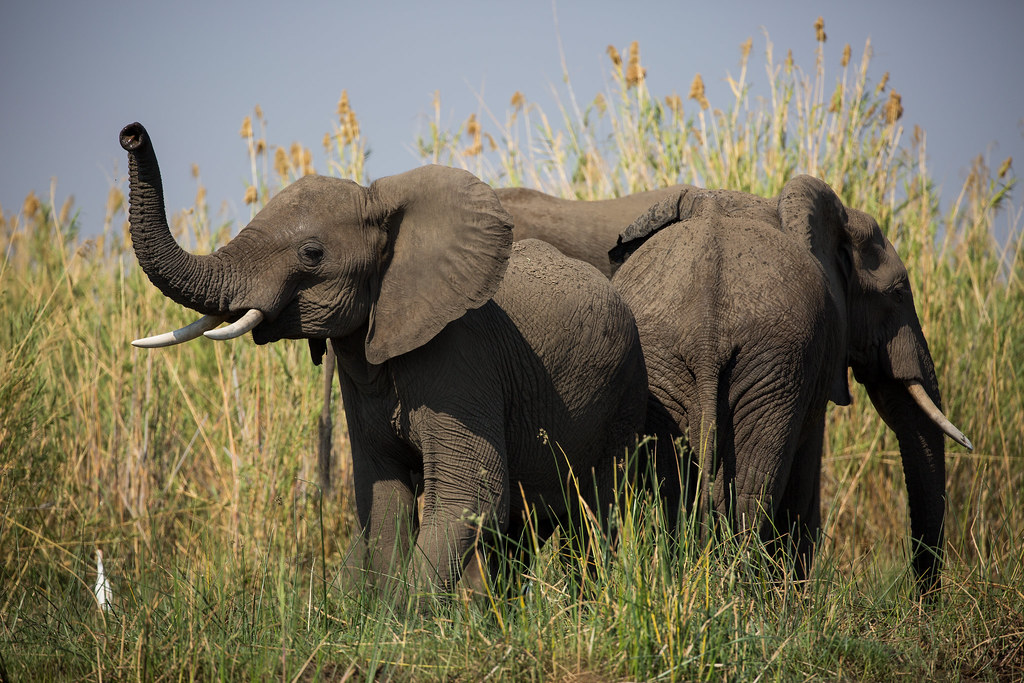 非洲象, 攝於辛巴威。(CC BY-NC-ND 2.0)
20個提案跟兩棲動物和爬行動物有關。這兩類物種深具異國魅力,在寵物貿易市場越來越受歡迎。
是否將CITES規則應用於高價值魚類和樹種貿易、如何最佳管理非洲象,以及如何處理象牙等仍有爭議。非法殺害犀牛和犀牛角相關貿易也是議程重點。
代表們也將決定是否應該豁免由公約納管樹木製成的珍貴木製樂器。
Mulanje雪松是馬拉威的國樹。因為其黃白色木材能抗真菌、昆蟲,不易腐爛,價值非常高,被非法伐木者過度採伐。馬拉威提案將Mulanje雪松列入附錄II清單。
北印度玫瑰木是COP18中唯一被提案從CITES附錄中刪除的物種。孟加拉國、不丹、印度和尼泊爾建議從附錄II 中刪除這種用於木材、家具、樂器和許多其他用途的樹,因為數量充足且可永續伐採。
 生長在巴基斯坦的北印度玫瑰木, 攝(CC BY-SA 3.0)
各國代表將評估每份提案,並以協商方式通過,或在必要時透過表決通過。除了分析提案本身之外,政府代表也可諮詢正式受CITES邀請提出意見的組織。秘書處的任務是評估提案是否符合既有貿易和生物標準,並審查技術和科學因素。
停止物種快速衰退的戰略
今年5月,(IPBES Global Assessment Report on Biodiversity and Ecosystem Services)證實,世界各地的物種和生態係正在迅速劣化。物種減少的主要因素之一是直接過度開發,包括非永續或非法狩獵、捕撈和伐木。
7月,世界自然保育聯盟(IUCN)受脅物種紅皮書的最新更新顯示,過度捕撈已使兩種魟魚瀕危,人為獵補和棲息地流失導致7種靈長類動物瀕危。
該次更新還揭露更多全球淡水魚類存續狀況危急的證據。日本和墨西哥自由流動的河流減少、棲息地劣化、污染和入侵種威脅著大量物種。
除了修訂CITES附錄的56項提案外,COP18議程還力求通過未來幾年的戰略,透過協議的解釋和條款的實施,提高公約的有效性。
會議上也將提出CITES2020後戰略願景文件供討論和批准。該願景草案期望「到2030年,野生動植物的所有國際貿易都要是合法和永續的,符合物種長期保育的目標,有助阻止生物多樣性流失。」
戰略願景還強調CITES在如何促進實現2030年永續發展目標。
CITES的成功跟堅實的法律基礎和有效的合規制度息息相關。如果有證據顯示締約方可能沒有完全履行公約規定的義務,CITES提供技術援助和協助能力建設,使該國遵守規定。
如有必要,CITES還可以採取合規措施,包括建議暫停所列物種的所有貿易,甚至包括所有CITES列出的物種。
野生動物犯罪是議程重點
非法的野生動物國際貿易威脅著許多野生動植物的生存,同時破壞了國家經濟和依賴永續利用野生動植物的人們的生計。組織犯罪集團越來越多,增加了執法調查的困難度,以及國家公園管理員等執法人員的危險。
會議上將討論與網路相關的野生動植物犯罪、法醫學的運用、貪污、西非和中非野生動植物犯罪的威脅評估報告,以及如何透過非法貿易資料的儲存和管理指引決策。
代表們也將關注CITES秘書處、國際刑警組織、聯合國毒品和犯罪問題辦公室、世界銀行和世界海關組織在「國際打擊野生動植物犯罪聯合會」主持下,提供締約方的能力建構和技術支援。
有些締約方認為,應審查非CITES所列物種的貿易,以評估CITES是否可以在管理此類貿易方面發揮作用。
COP18將討論若干目前未納入CITES附錄中的物種和分類群的貿易問題,相關物種包括鳴禽、兩棲動物、海洋觀賞魚,考氏鰭天竺鯛和乳香。公約進行中的關於玫瑰木、鰻魚、鯊魚和魟魚的工作則牽涉已列入和未列入名單的物種。
CITES列出的許多野生動植物物種現在也有人工繁殖以進行貿易,但此種貿易活動不得對野生物種的存活產生不利影響。會議也將審議非野生動植物貿易的廣泛問題。
除了因應這些持續存在的問題外,CITES締約方還創造了許多成功案例,主要是永續利用和保育野生動植物,使農村社區獲得收入或增加糧食安全的案例,像駱馬、尼羅河鱷魚和雪花蓮。
會議上也將討論各種能加強原住民、地方和農村社區參與CITES決策過程的機會,以及如何加強與其他生物多樣性相關公約的合作。
CITES to Update Wildlife Trade Rules for 550 Species GENEVA, Switzerland, August 13, 2019 (ENS)
The 183 countries that are Parties to the Convention on International Trade in Endangered Species, CITES, will adopt decisions and resolutions to expand and strengthen the global wildlife trade regime at CITES’ upcoming triennial World Wildlife Conference. The 18th such meeting, informally known as COP18 , will be held at Palexpo in Geneva from August 17 to 28.
Governments have submitted to change the levels of protection that CITES provides for species of wild animals and plants that are traded internationally.
In total, some 550 species may be affected by the proposed changes. They include the African elephant, the giraffe, a variety of lizards, geckos and newts, tortoises, sharks, sea cucumbers, Grandidier’s baobab and North Indian rosewood trees.
Many of these proposals seek to ensure that trade in at-risk species remains sustainable by requiring trade permits through a CITES Appendix II listing.
Others recommend banning all commercial trade in specimens of species threatened by extinction by listing them on Appendix I.
Still others aim to provide evidence that a population has stabilized or expanded and can be safely transferred from Appendix I to Appendix II.
CITES’ new Secretary-General, environmental economist of Panama, said, “CITES sets the rules for international trade in wild fauna and flora. It is a powerful tool for ensuring sustainability and responding to the rapid loss of biodiversity – often called the sixth extinction crisis – by preventing and reversing declines in wildlife populations.
“This year’s conference will focus on strengthening existing rules and standards while extending the benefits of the CITES regime to additional plants and animals threatened by human activity,” she said.
COP18 Proposals: Cats, Elephants, Giraffes, Rhinos, Reptiles, Fish and Trees
The big cats of Africa and Asia are under threat from a wide range of pressures, including poaching and illegal trade. COP18 delegates will consider establishing a CITES Big Cats Task Force to strengthen action on conserving these high-profile species in Asia. The conference also has agenda items on Africa’s cheetahs and lions and Latin America’s jaguars.
Populations of the giraffe have declined sharply over the past several decades due to habitat loss and other pressures. The Central African Republic, Chad, Kenya, Mali, Niger and Senegal propose that the giraffe be listed on Appendix II as a precautionary measure to help arrest the species’ ongoing decline.
The white rhinoceros has been heavily poached for its horn for many years. Although the population of southern white rhinos, Ceratotherium simum simum, in Eswatini (formerly known as Swaziland) is listed on Appendix II, an annotation currently prevents international trade in rhino horn. Eswatini proposes removing this annotation so that it can sell an existing stock of 330 kg of rhino horn and then 20 kg per year from non-lethal harvesting.
Namibia proposes transferring its population of southern white rhinos from Appendix I to II with an annotation solely for the sale of live animals and for hunting trophies, with all other specimens to remain on Appendix I.
COP18 will once again consider a number of elephant proposals. The African elephant was moved from CITES Appendix II to CITES Appendix I in 1989 after decades of ivory poaching had greatly reduced many populations. In 1997 and 2000, recognizing that some southern African elephant populations were healthy and well managed, CITES agreed to downlist the populations of Botswana, Namibia, South Africa and Zimbabwe to Appendix II. In 1999 and again in 2008, sales of registered stocks of government-owned ivory from these countries were authorized to China and Japan.
Now, Zambia proposes to downlist its elephant population from Appendix I to Appendix II to permit sales of registered ivory stocks to CITES-approved buyers as well as some specified non-ivory trade.
Botswana, Namibia, South Africa and Zimbabwe would like to enable trade in registered ivory stocks to CITES-verified partners as well as some specified non-ivory trade. They propose to do this by amending an annotation that, although their elephant populations are listed in Appendix II, currently disallows trade.
To provide objective assessments of trends in elephant poaching and illegal trade in ivory, CITES established the Monitoring of Illegal Killing of Elephants (MIKE) program and the Elephant Trade Information System (ETIS). Their results inform the decisions taken by Parties on elephant conservation and the ivory trade.
Finally on the ivory issue, and in a first for CITES, Proposal 13 calls for listing a long-extinct species. Israel proposes adding the woolly mammoth to Appendix II, citing the so-called “look-alike provision” aimed at preventing the “laundering” or mislabeling of elephant ivory as mammoth ivory.
Twenty of the listing proposals to be presented at COP18 are inspired by concern over the growing appetite of the exotic pet trade for charismatic amphibians and reptiles.
The trend towards applying CITES rules to trade in high-value fish and tree species continues, as do the debates over how best to manage the African elephant populations and what to do with their ivory tusks. Illegal killing of rhinos and the related trade in rhino horn is also high on the agenda.
Delegates also will decide whether musical instruments made of precious wood from trees regulated by the Convention should be exempted from CITES controls.
The Mulanje cedar is the national tree of Malawi. Because its yellow-white timber is highly resistant to fungal rot, insects and decay, it is highly valued. It has been overexploited by illegal loggers. Malawi proposes an Appendix II listing for this cedar.
The proposal on North Indian rosewood is the only one at COP18 recommending that a species be deleted from the CITES appendices. Bangladesh, Bhutan, India and Nepal propose removing this tree, which is used for timber, furniture, musical instruments and many other purposes, from Appendix II because it is abundant and sustainably harvested.
Governments will evaluate each listing proposal and decide to adopt it by consensus or, if necessary, by vote.
In addition to analyzing the proposals themselves, government representatives can consider the views of the that were formally invited to provide their comments as stakeholders.
The Secretariat itself is tasked with evaluating the proposals for whether they satisfy agreed trade and biological criteria, and reviewing technical and scientific factors.
Strategizing to Halt Rapid Decline in Species
In May, the confirmed that species and ecosystems around the world are in rapid decline. One of the main drivers of species decline is the direct overexploitation of living organisms, including unsustainable or illegal hunting, fishing and logging.
In July, the latest update of the maintained by the International Union for the Conservation of Nature, IUCN, shows that overfishing has pushed two families of rays to the brink of extinction while hunting for bushmeat and habitat loss have led to the decline of seven primate species.
The update also reveals further evidence of the perilous state of freshwater fishes globally. This is shown by high numbers of species threatened by the loss of free-flowing rivers, habitat degradation, pollution and invasive species in Japan and Mexico.
In addition to the 56 proposals for amending the CITES Appendices, the COP18 agenda also seeks to adopt a strategy for the coming years and improve the effectiveness of the Convention through agreements on the interpretation and implementation of its provisions.
Along these lines, the CITES Strategic Vision Post-2020 document will be presented for discussion and adoption. The draft vision foresees that “By 2030, all international trade in wild fauna and flora is legal and sustainable, consistent with the long-term conservation of species, and thereby contributing to halting biodiversity loss.”
The Strategic Vision also highlights CITES’ role in contributing to the achievement of the Sustainable Development Goals of the 2030 Agenda for Sustainable Development.
The success of CITES is based in good part on having a solid legal basis and an effective compliance regime. When there is evidence that a Party may not be fully complying with their obligations under the Convention, CITES provides technical assistance and capacity building to bring the country back into compliance.
If necessary, CITES can also adopt compliance measures which may include a recommendation to suspend all trade in a listed species or even in all CITES-listed species.
Wildlife Crime High on the Agenda
Illegal international trade in wildlife threatens the survival of many wild animals and plants while undermining national economies and the livelihoods of people who rely on the sustainable use of wildlife. The growing involvement of organized crime groups is increasing the complexity of enforcement investigations and the risks faced by enforcement officers such as park rangers.
Among other issues, the conference will address wildlife crime linked to the Internet, the use of forensic applications, corruption, a threat assessment report on wildlife crime in West and Central Africa, and the storage and management of data on illegal trade used to inform decision -making.
Delegates will also focus on capacity building and technical support provided to Parties by the CITES Secretariat, Interpol, the United Nations Office on Drugs and Crime, the World Bank and the World Customs Organization under the auspices of the International Consortium on Combating Wildlife Crime.
Some Parties are of the view that trade in non-CITES-listed species should be examined to assess if CITES could play a role in managing such trade.
COP18 will discuss several documents that describe trade-related concerns for species and taxa currently not included in the CITES Appendices. These involve songbirds, amphibians, marine ornamental fish, Bangai cardinal fish and frankincense. The ongoing work under the Convention on rosewoods, eels as well as sharks and rays touches both on listed and non-listed species.
Many “wild” animal and plant species listed under CITES are now bred in captivity or cultivated for trade, but such trade must not be detrimental to the survival of a species in the wild. The conference will consider the broad issue of trade in animal and plant specimens from non-wild sources.
In addition to tackling these ongoing challenges, CITES Parties have generated many success stories. These often involve enabling rural communities to develop income or increase food security through the sustainable use and conservation of wild animals and plants. Examples include the vicuña, the Nile crocodile and the snowdrop flower.
The conference will also consider opportunities to enhance the role of indigenous, local and rural communities in CITES decision-making processes and how to further strengthen collaboration with other biodiversity-related conventions.
※ 全文及圖片詳見:
※ 本文與 行政院農業委員會林務局 合作刊登
作者
如果有一件事是重要的,如果能為孩子實現一個願望,那就是人類與大自然和諧共存。
於特有生物研究保育中心服務,小鳥和棲地是主要的研究對象。是龜毛的讀者,認為龜毛是探索世界的美德。
本站聲明:網站內容來源於https://e-info.org.tw/,如有侵權,請聯繫我們,我們將及時處理
【其他文章推薦】
※使用真空封口機常見問題?
※影響示波器測試準確度的五大因素
※各大百貨每波促銷贈品活動,限量知名LOGOL型資料夾,獨家販售中!!
※哪裡有合版印刷優惠,尋找L夾客製化印刷廠商?
※如何正確使用飲水機?
※洗滌塔運作原理介紹
※無塵擦拭紙各大品牌廠商販售比價網!